The Impact of GenAI on Human Creativity

Featured

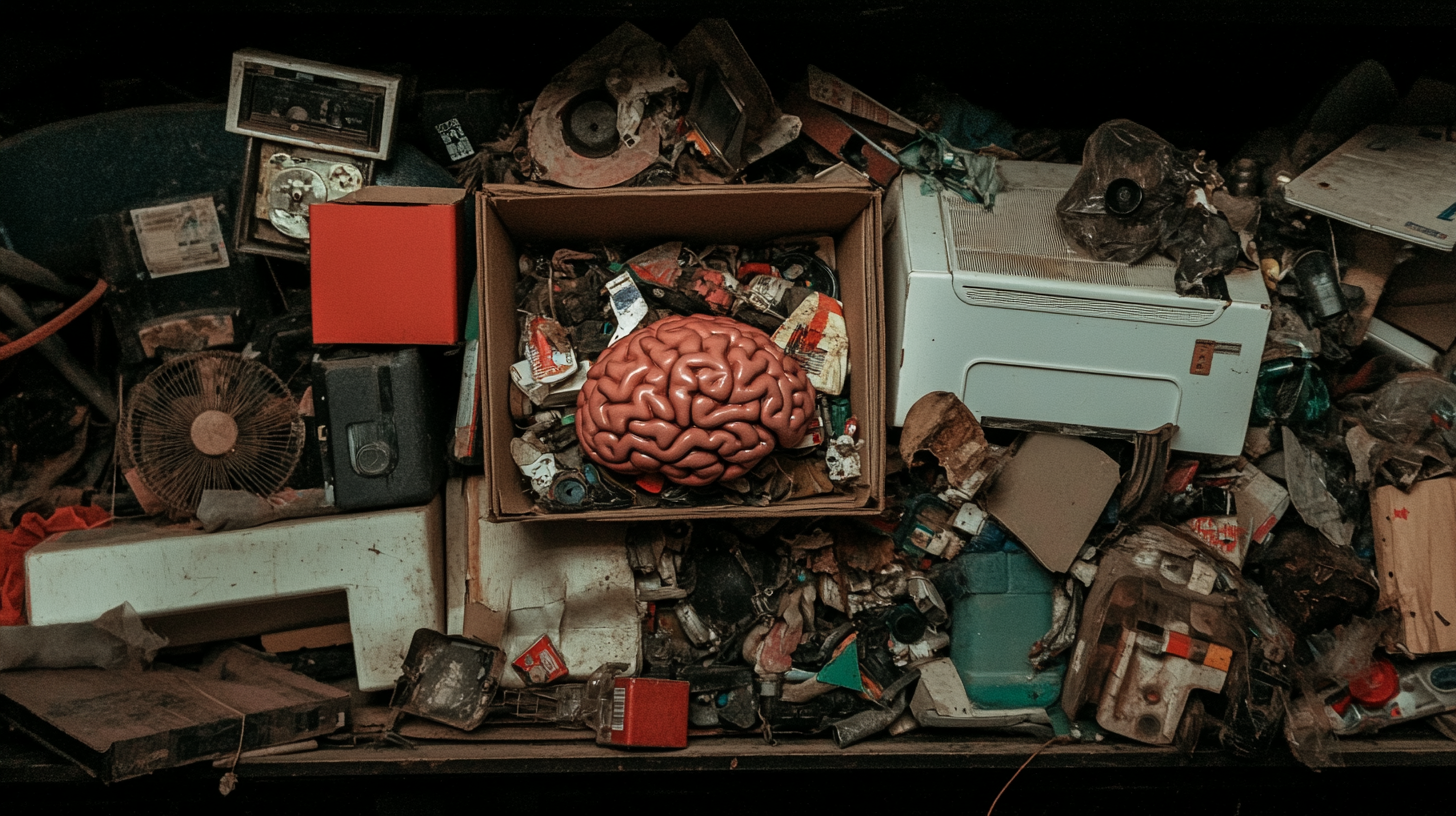
A brain in a box. By: Midjourney

Our work should never be just about our tools. It’s about the thinking behind them. Much of the GenAI debate has focused on whether and how well the tool “works” and what or who it can or can’t replace. But recently, I’ve been thinking more about its impact on how we think. And I suspect this question will only become more important as AI works better — or at least seems to.

Technology revolutions are always a double-edged sword. They bring leaps forward but come at a price. Our foundational myths make this clear: Prometheus gave humanity fire, but his punishment was eternal suffering. Pandora got all of the gods’ gifts and a box that unleashed chaos on the world. The forbidden fruit gave Adam and Eve knowledge — but at the cost of innocence and paradise lost. The lesson is old: power and progress always have trade-offs.

The tools that shape us

One of the core reasons for this dynamic is simple: we shape our tools, and in return, they shape us. Often in unexpected ways. Media theorist Marshall McLuhan famously explored this idea, though the oft-cited quote “We shape our tools, and thereafter our tools shape us” was actually a later paraphrase of his work. The idea, however, holds — every major technological shift alters not just how we work, but how we think.

This reminds me of a favourite quote (edited for brevity) from Neil Postman, who in Amusing Ourselves to Death (1985), argued:

“Tools hint at a form of thinking. Nature doesn’t speak, we talk about it, in any way we can. We see only our discourse about the world, this is our means of communication, the means are our metaphors and our metaphors create the content of our culture.”

When I first read Postman in my 20s, while deeply in love with the emerging web, I wondered what he’d say about the Internet, and found him fascinating but a bit of an alarmist. I was wrong. While he was warning about the impact of television (as form, not content), many of his fears proved accurate and apply to our world today: politics became entertainment, news became infotainment, and serious discourse struggled to survive in an attention economy.

Continue reading

The great creative treasure hunt – how to think about breakthrough thinking

Breakthrough or Trap? By Midjourney

(this post is a part of my “Understanding Creative Strategy” series. Previous chapters here. But also, there’s the impact of AI is built into the second half…)

I often imagine the search for creative solutions like a treasure hunt story…

You start by spreading out and studying the best map you can get despite any knowledge gaps, which all maps have. Frequently, you’ll be drawing parts or correcting previous ones, and you’ll definitely seek to understand the bigger picture and its boundaries.

Then (because life’s more complicated than stories, and there’s rarely a clear X-mark on our map), you try to identify the areas of the map where there might be treasure.

Continue reading

Why lying about layoffs hurts everyone

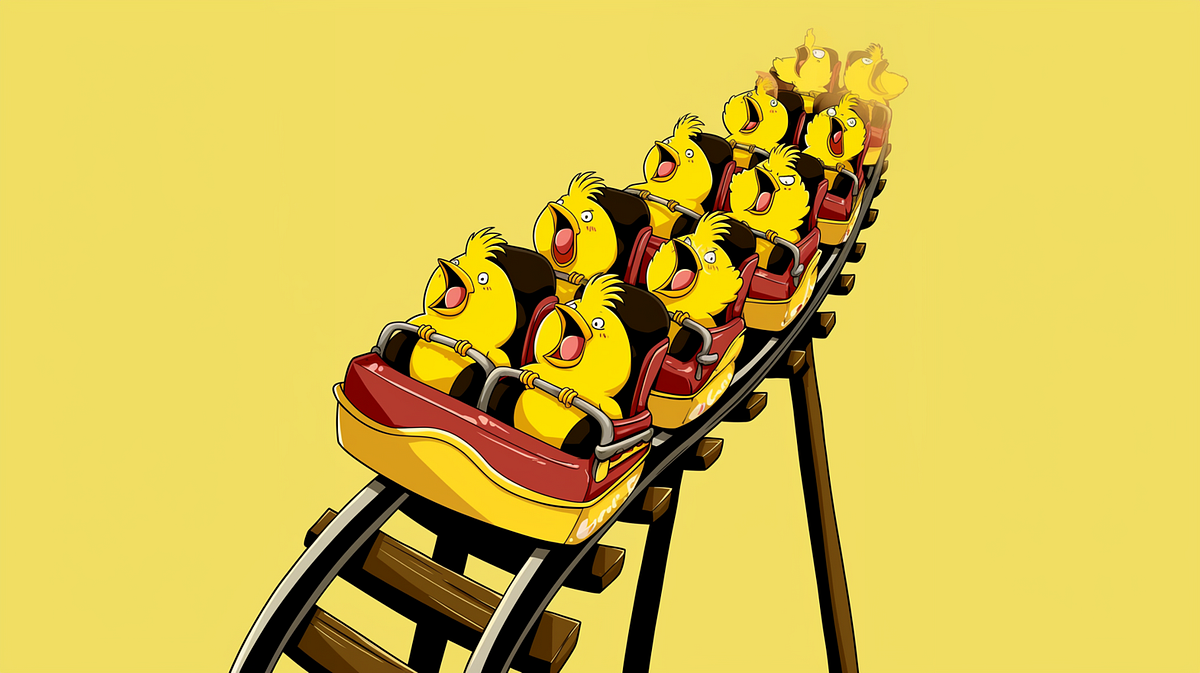
Cartoon of group of canaries riding a rollercoaster
Come on join the oy ride. image by: Midjourney Niji 6

The agency world is the canary in the coal mine when it comes to market pain. Budgets here are the first to be cut and the last to recover. We’re not just late to the party — we’re left cleaning up after everyone else has gone home. Agencies shrink fast and expand slowly, mirroring the market’s every whim.

The axe is going to fall. Everyone in the agency world knows it. But when leaders choose to keep their teams in the dark about potential layoffs, they inflict wounds that go far deeper than any individual redundancy.

Some managers seem to think that, short-term, if employees know layoffs may be coming, people will down tools and spend their time frantically rewriting CVs and job-hunting. In larger companies, especially public ones, there’s also the fear of the news leaking to the media and the impact it will have on the share price and existing client relationships. Consequently, their teams often learn about it at the same time the media does. These are valid business concerns, but I believe they are ultimately short-sighted.

In the short term, this ‘gaslighting’ approach robs you of any chance of instilling a sense of urgency. This sense of urgency can make a big impact — not everyone freezes in the face of danger; if they did, evolution wouldn’t have brought humanity this far. I would even argue there’s a benefit to allocating specific time and support to help people plan ahead. I’ve seen ‘natural churn’ prevent a round of cuts more than once.

Continue reading

Mind the drift: NotebookLM, WhatsApp chats, and the illusion of understanding

Generated by Midjourney 5

About a week ago, I experienced the most incredible AI demo since my first encounter with ChatGPT. Trust me, this is no exaggeration.

This post isn’t just about a cool tool; it also touches upon a crucial, unresolved issue in the world of Generative AI: handling those massive, complex data sets that are key to unlocking deeper value in many business and research areas.

Enter NotebookLM

I recently had a strategy brainstorming session with Angus Grundy (Angus is developing highly effective strategic frameworks; reach out to him if you’re looking to strategise/plan or think things through in any business or personal context. Insights guaranteed.). We recorded our 90-minute chat using Zoom’s AI assistant. Later, Angus used that transcript with Google’s experimental tool, NotebookLM.

On some levels, NotebookLM is a game-changer. You can upload extensive data sets (up to 50 files of 500,000 words each. That’s nearly 50 War and Peaces!) and interact with a chatbot in elaborate ways. You can ask highly specific questions and generate timelines, study guides, FAQs… all cross-referenced to your sources. You can then create notes from the chat results or add your own, shift focus between sources, manipulate it all, and more. You can even create, at the push of a button, an “audio overview,” where two AIs create a podcast-like discussion about the content. It’s as strange as it is delightful. But is it actually useful?

Continue reading

Understanding Creative Strategy: How do you like them apples?


Dismantling Apple’s brand essentialism myth

Geek or Chic? “new iMac” ads from Chiat/Day 1998

The history of the Apple brand is far more meandering and complex than many people care to admit. It’s so meandering that it’s quite challenging to tell it chronologically, so, let’s look at overlapping and shifting themes instead.

When people talk about Apple as a brand, they often envision a minimalistic premium lifestyle brand, but that’s a relatively recent incarnation.

Sadly, my brain absorbs marketing communications like a sponge and then loses sleep over incongruent thinking, so here are some “Apples” that may surprise you.

Continue reading